

Main articles
Search in posts
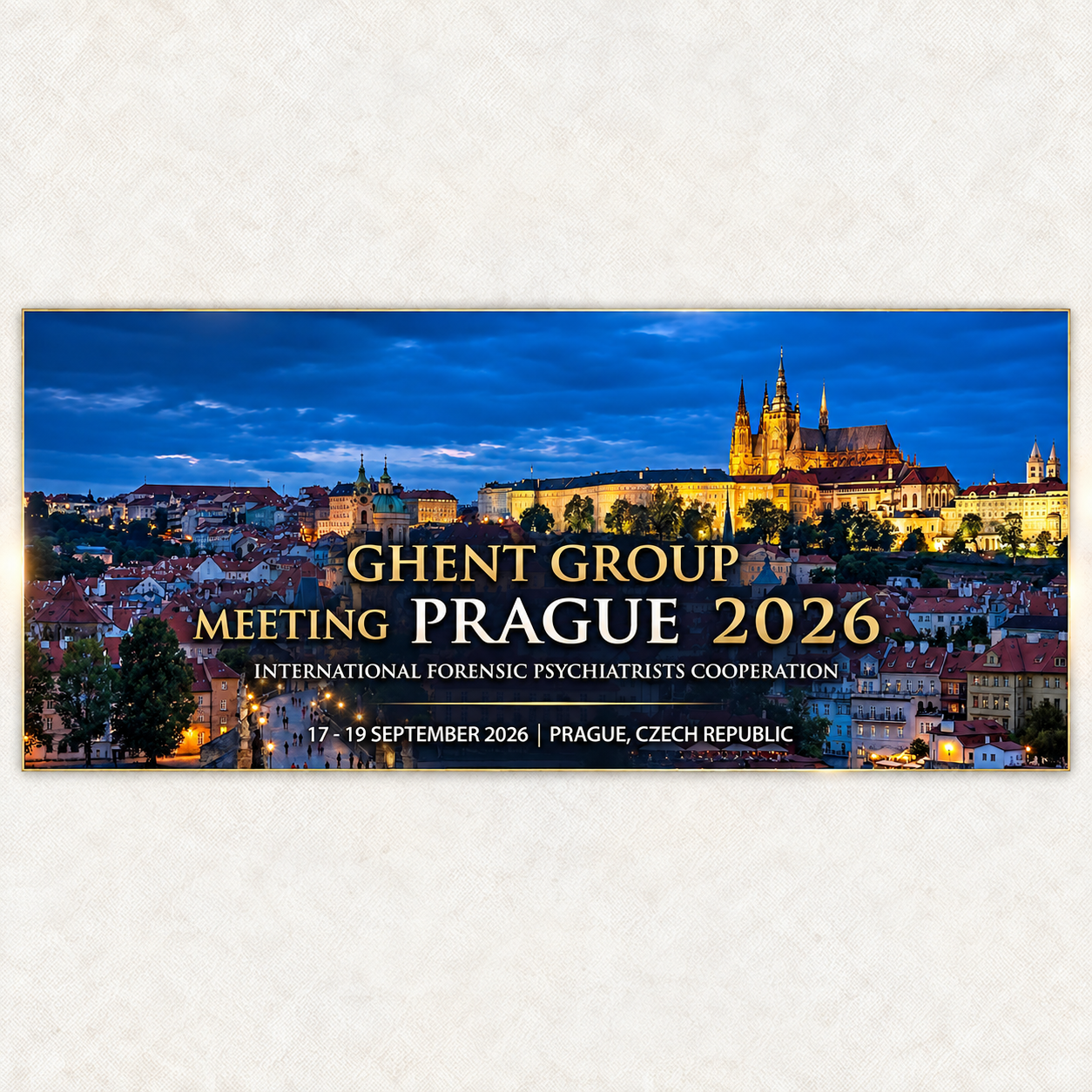
17. – 19. 9. 2026
22nd Ghent Group Meeting in Prague
Dr Jiří Závora, a member of our institute, spoke at the 22nd Ghent Group Meeting, a European gathering of forensic psychiatrists held this year in Prague, which focused on the relationship between structure and professional discretion in forensic psychiatry.
Together with MUDr. Marek Páv, Ph.D., MBA, he delivered a presentation entitled “Expert Opinion Under the Legal Framework”, addressing the Czech legal framework governing the structure of expert reports. In his subsequent plenary presentation, “Improving the Reviewability of Forensic Expert Evidence”, Dr Závora presented the Czech approach to resolving a fundamental paradox of expert evidence: courts must evaluate expert reports, yet they cannot take the place of experts in assessing questions requiring specialist expertise.
The solution lies in reviewing the process used to address the expert question—that is, the connections between the steps, from the question through data sources and processing, analysis, results and interpretation, to a review of the procedure and the final conclusion. The court therefore does not need to assess psychiatric matters in place of the psychiatrist; it can, however, examine whether the expert’s conclusion is supported by the preceding steps.
Jiří Závora proposed this structured approach in a 2017 study, and it subsequently served as the basis for the new Czech legal provisions governing the structure of expert reports.
Programme and information about the 22nd Ghent Group Meeting.

3. 7. 2026
Our study on vidimace — the official certification of document copies — has been published in the journal Právník
2. 7. 2026
Certification of Copies, Czech-Style
We have published a series of short animations on our YouTube channel in which we explain, in a clear and accessible manner, why the current practice of certifying copies of documents in the Czech Republic represents a serious systemic risk.
This is not a set of instructions. It is a simplified, popular explanation of a mechanism that may allow a fabricated compilation to become an officially certified document and subsequently operate in legal proceedings as evidence of the existence of an alleged “original”.
The findings are extremely alarming.
We tested public authorities and other institutions authorised to certify copies on two occasions. The first experiment was conducted in 2017; its findings were made public and published in an academic journal in 2019. The second, follow-up experiment was conducted in 2024; its findings were released in 2025 and published academically in 2026. Further details are available here.
In both cases, the findings revealed an exceptionally high error rate, rendering the certification of copies effectively dysfunctional as a public service.
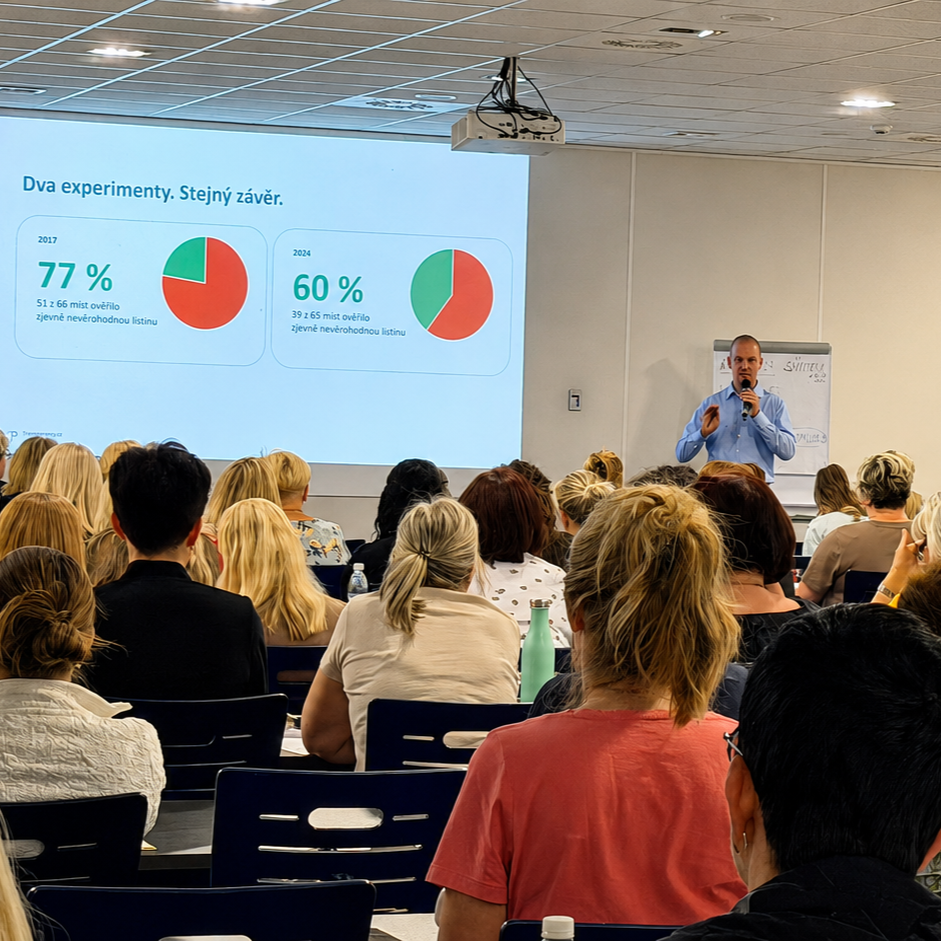
In 2017, 77% of manifestly unreliable documents or compilations produced using a colour printer were certified. In 2024, 60% of such documents were still being certified, despite many years of media coverage and what proved to be entirely futile negotiations with the supervisory authorities.
In other words: EVEN AFTER SEVEN YEARS, THE SYSTEM REMAINS EXTREMELY ERROR-PRONE.
Since the findings of the first experiment were published in 2019, THE RESPONSE OF THE SUPERVISORY AUTHORITIES HAS BEEN PREDOMINANTLY FORMALISTIC. The only institution that approached the matter professionally was the Ministry of Justice, which necessarily delegated the subsequent steps to the Notarial Chamber of the Czech Republic.
Although certain measures were declared by the supervisory authorities, the unannounced follow-up experiment conducted in 2024 demonstrated only a truly marginal improvement. FROM THE PERSPECTIVE OF LEGAL RISK, WE CONSIDER THE CURRENT SITUATION UNACCEPTABLE.
Some of the responses from the supervisory authorities surprised us in an exceptionally negative way.
On the basis of what we have established so far, the Notarial Chamber adopted an approach that we regard as passive and self-exculpatory. Although the findings were referred to the Chamber and the problem directly concerns notarial practice in certifying copies, we have not observed any corresponding activity that could reasonably be regarded as a systemic response to the identified risk. After the Ministry of Justice forwarded the findings of our 2024 follow-up experiment to the Notarial Chamber, the Chamber remained entirely passive, as though the matter were of no concern to it whatsoever. (Sic!)
The Ministry of the Interior surprised us by DEFENDING ITSELF IN PUBLIC MEDIA COMMUNICATIONS BY MAKING FALSE CLAIMS. Its spokesperson falsely informed the public that the officials participating in our experiment had been presented with highly convincing forgeries.
This is directly contrary to the very nature of our experiment. The design and materials used in the experiment were documented in our academic publications. Furthermore, in February 2025, representatives of the Ministry of the Interior were demonstrably given detailed information about both the compilations submitted for certification and the resulting certified forgeries.
Our experiments were deliberately based on a crude and manifestly obvious compilation that could be detected with the naked eye, as the printing raster was clearly visible.
We were, of course, testing the basic level of caution required when certifying copies, as established by the relevant case law—not an expert ability to detect sophisticated forgeries.
WHAT DISAPPOINTED US MOST, HOWEVER, WAS THE OFFICE OF THE PUBLIC DEFENDER OF RIGHTS AND THE CHILDREN’S OMBUDSMAN, SPECIFICALLY JANA GREGOROVÁ ACTING ON BEHALF OF THE OFFICE OF THE PUBLIC DEFENDER OF RIGHTS.
In our view, the Ombudsman had an ideal opportunity to examine whether, between 2017 and 2025, the supervisory authorities had adopted specific—and, above all, effective and verifiable—measures to reduce the systemic error rate.
Instead, our submission was set aside on the grounds that we, as a private organisation using private funds, should once again approach and reactivate the supervisory authorities ourselves.
WE CONSIDER THIS POSITION ENTIRELY UNACCEPTABLE.
We firmly believe that a private research institute should not be expected indefinitely to perform the functions of public administration at its own expense.
We identified the problem, verified it empirically, described it academically—an article on the subject has been accepted for publication this year in an impact-factor journal—brought it to public attention, referred it to the supervisory authorities and, after seven years, conducted a follow-up test.
We did so because we found the supervisory authorities’ initial response in 2019 unconvincing and therefore expected that the problem would not actually be addressed.
UNFORTUNATELY, WE WERE RIGHT.
It is now for the state to demonstrate what specific measures it has adopted, how it has evaluated their effectiveness and why the system continues to fail on such a large scale.
In six short animations, we therefore illustrate the MODUS OPERANDI:
Surprisingly, even lawyers sometimes find it difficult to appreciate both the modus operandi and the consequences of errors committed by public authorities when certifying copies. This is primarily because the issue involves specialist questions relating to forensic document examination and the identification of a writer.
It resembles a game of chess in which checkmate occurs unexpectedly at the point when a forensic expert specialising in the technical examination of handwriting is asked to resolve an irresolvable question: to determine from a copy whether the document originally presented for certification was itself an original.
A second expert specialising in writer identification may then be able to determine only whether the signature is a copy of that particular person’s signature.
That is the essence of the problem.
The mechanism can be fully understood only by considering the perspectives of all five participants.
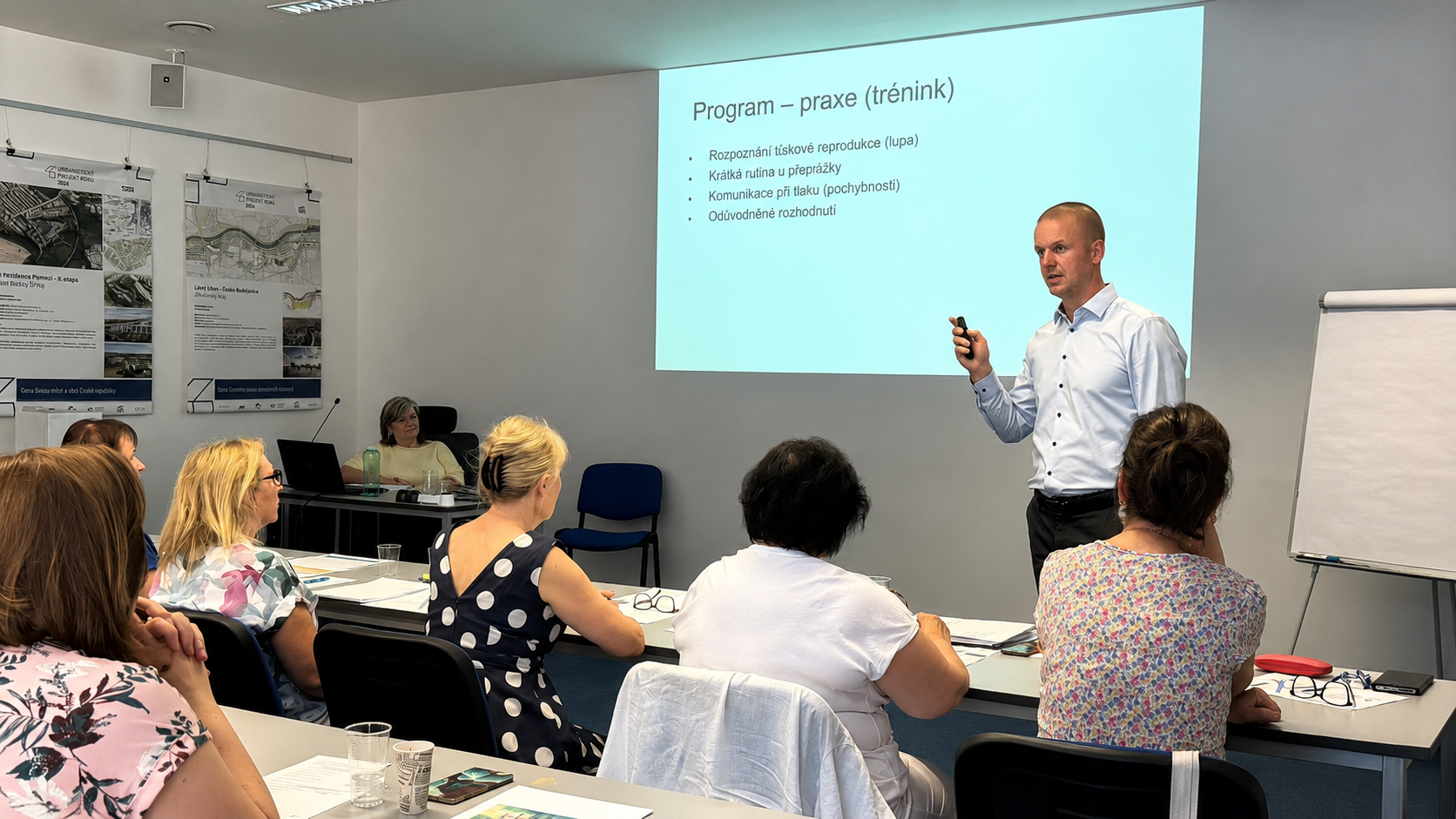
23. a 25. 6. 2026
A seminar on the protection of certifying officers
14. 6. 2026
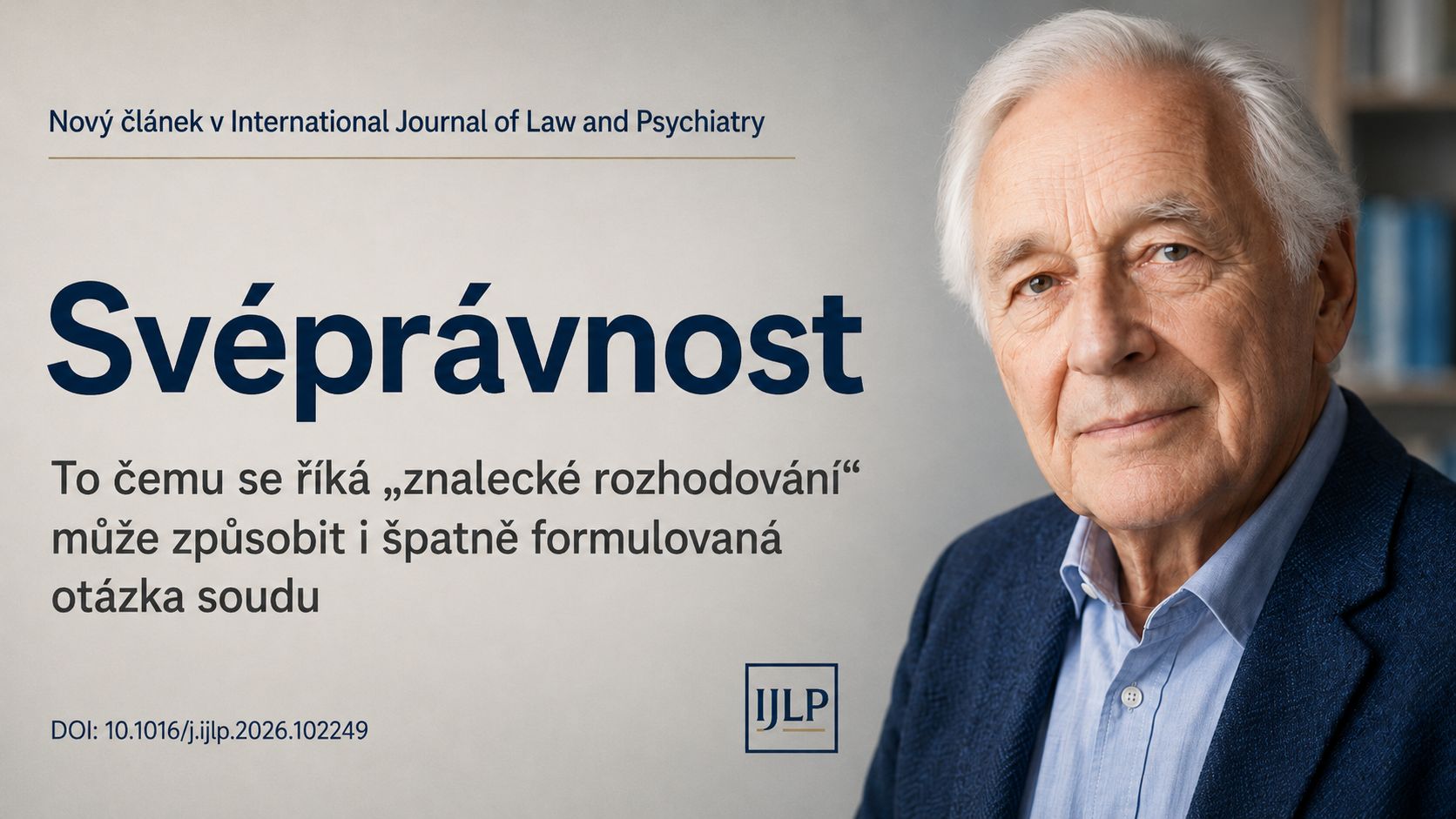
New article in the International Journal of Law and Psychiatry
Our study, which proposes improvements to decision-making in legal capacity cases, has been published.
We focused on a question that may seem minor, but is in fact crucial: how courts ask expert witnesses questions. Because the quality of the answer often depends on the quality of the question.
Based on actual court orders from two judicial regions, we conducted a qualitative cluster analysis in which we identified semantic groups of expert questions and their superordinate categories.
After comparing what the judiciary actually needs from experts, we were able to implement the main idea: to reformulate the wording of questions so that they do not prompt experts to provide “is / is not capable” type answers. Such questions tend to lead to categorical conclusions in expert opinions, which may sometimes encourage the court to adopt them as the basis for subsequent decisions.
Judges are human, too. Research on cognitive biases in legal decision-making has long shown that the way a problem is framed can influence subsequent judgments and decisions, including through framing and anchoring. This issue is also well known from Tversky and Kahneman’s classic study on decision-making under framing.
In other words, if a question is posed in a way that leads the expert toward a categorical answer, there is a risk that the court’s attention will be focused more on accepting the resulting conclusion than on independently assessing the description of the person’s abilities, limitations, and actual functioning.
By contrast, questions that encourage experts to describe the person’s condition and functioning enable the court to form a qualified understanding of the person’s abilities, limitations, need for support, and real-life context. This is crucial in legal capacity cases, because such decisions are intended to protect the person, while at the same time they may significantly interfere with their autonomy and rights.
Link to our study here.

7. 6. 2026
Rozpleteno: Lov na osamělá srdce (Unraveled: The Hunt for Lonely Hearts)
On 9 June 2026, Zuzana Piussi’s report Rozpleteno: Lov na osamělá srdce (Unraveled: The Hunt for Lonely Hearts) will be broadcast. The report addresses the issue of online romance scams, which are based on exploiting emotions, trust, the desire for closeness, and feelings of loneliness.
A romance scam is not merely a financial fraud. It is a form of emotional manipulation that can affect even an educated and cautious person — especially at a time when they feel alone. Dr. Jiří Závora, a member of our institute, also appears in the report on this topic.

27. 5. 2026
“Justice? The Czech Judicial System and Its Controversial Cases”

1. 4. 2026
General Advisory Board for Expert Activities
21.-22. 5. 2026
Two-Day “Matriky 2026” Seminar in Hradec Králové

5.-6. 5. 2026
Examination of Mental State in Criminal Proceedings
1. 5. 2026
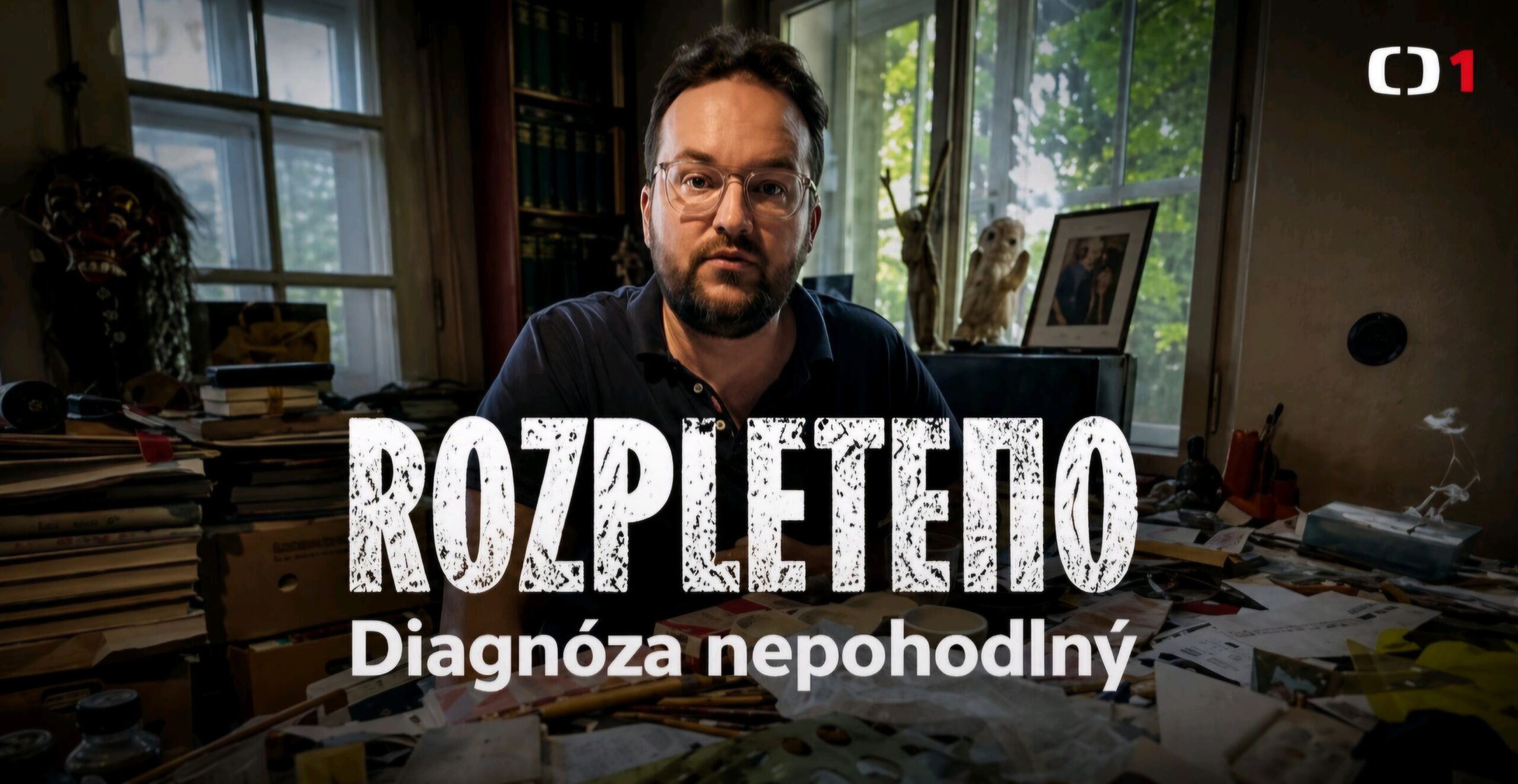
Zuzana Piussi’s report Rozpleteno: Diagnóza nepohodlný (Unravelled: The Inconvenient Diagnosis)

16. 3. 2026
A Charles University Micro-credential for the Preparation of Future Expert Witnesses in Clinical and Non-clinical Psychology
4. 3. 2026
A Training Session on the Expert Witness Procedure at BDO
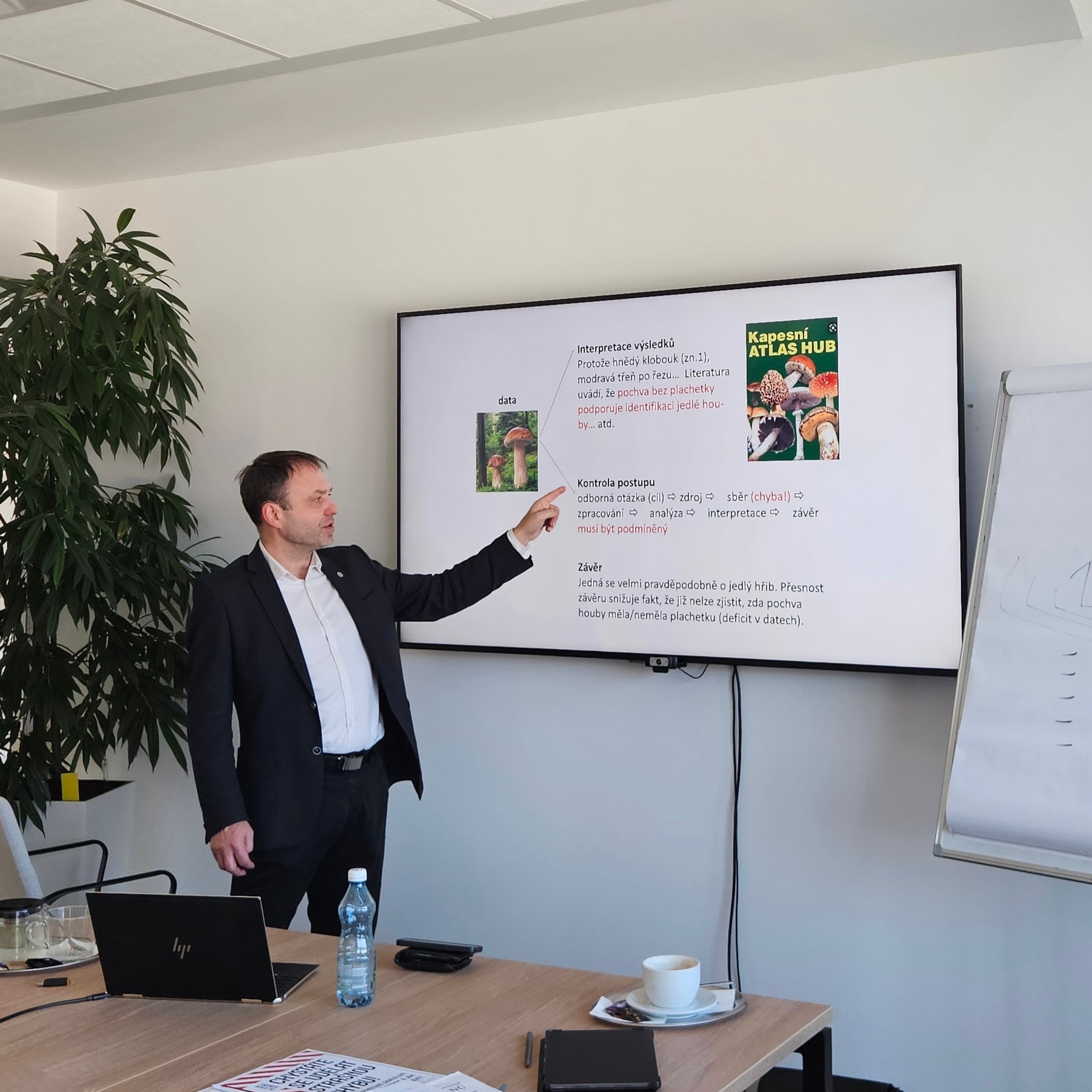
Dr. Jiří Závora delivered a training session at BDO on the expert witness procedure. This follows the workshops we have been organizing for attorneys for the second year. While we teach attorneys to read expert reports from the conclusions back to the sources, we teach expert witnesses to build their reports from the data sources upward. The atmosphere at BDO was excellent, and Dr. Lukáš Křístek contributed to it greatly, both personally and professionally.
25. 2. 2026
A Professional Dialogue with AZO Experts
On 25 February 2026, a professional dialogue with AZO experts took place in Brno, focusing on questions submitted in advance by the participants. Dr. Jiří Závora, a member of our institute, was among those responding to the questions. This format made it possible to address directly the practical issues that repeatedly arise in expert practice. A brief vertical analysis of the experts’ questions revealed four common layers:
First level: normative correctness versus “the client’s wishes”. In practice, a simple but fundamental question keeps returning: in a private engagement, can a client request that something be included or omitted when the legal framework for a given type of valuation requires it?
Second level: methodological transparency of the expert report. It is not about the length of the text, but about the architecture of the expert’s procedure—what exactly belongs in the sections describing the selection of sources, data collection and processing, analysis and results, interpretation, and the checking/verification of the procedure.
Third level: defending the expert in an adversarial environment. Today, experts often act not only as specialists, but also as “witnesses to methodology”: they must be able to respond to questions that are substantively empty, deliberately confusing, or demeaning.
Fourth level: professional strategy and the future of the field. The dilemma faced by early-career experts—narrow specialization versus a broader remit—reappears, compounded by the prospect of digitization in construction (BIM) and by the question of what an experienced expert would do differently today if they were starting over.

21. 1. 2026
Workshop “Expert Opinion as Evidence”

4.-5. 12. 2025
The 46th Czech–Slovak Conference on Forensic Psychiatry

5. 12. 2025
“False evidence for 30 crowns, experiment shows. Most authorities failed”

28. 11. 2025
Where is the expert-witness system headed? Dr. Závora at the Ombudsman’s Office conference

11. 11. 2025
Seminar “Forensic evaluation of mental state”

10. 11. 2025
Sexological expert opinion

29. 10. 2025
Forensic psychiatric study – Gender Disparities in Czech Forensic Psychiatric Inpatient Care

13. 10. 2025
Gender Disparities in Czech Forensic Psychiatric Inpatient Care

16.-18. 6. 2025
European Council for High Ability (ECHA) Conference in Karlstad

16.-18. 6. 2025
European Council for High Ability (ECHA) and International group for Mathematical Creativity and Giftedness (IgMCG) conference

20. 6. 2025
Analysing length of stay disparities in inpatient forensic psychiatric care: A cross-sectional study in Czechia

22. 5. 2025
RESULTS OF THE VIDIMATION EXPERIMENT
15. 4. 2025
Methodology for evaluation of attestation case studies of future clinical psychologist
31. 3. 2025
Workshop for law firm

19. 2. 2025
Unique study on the causes of juvenile delinquency – girl

12. 2. 2025
Wechsler Intelligence Test for Children
7. 2. 2025
Workshop: Expert opinion as evidence

20. 1. 2025
Expert Forensic Science

21. 12. 2024
A unique study on the causes of juvenile delinquency
The study deals with a case of delinquent behaviour of an adolescent girl in whom the usual causes of such behaviour are not present. This is a long-term project of our institute to publish two thematically similar case studies (a boy and a girl). In this case, the second study is of a girl who committed multiple thefts. This is unique qualitative research that explores the experiences of children from otherwise functional families and environments who nevertheless commit large-scale delinquent acts. The most difficult part of this project was finding juvenile delinquent who come from functional families.
29. 11. 2024
Podcast recording Expert Stamp

7. 11. 2024
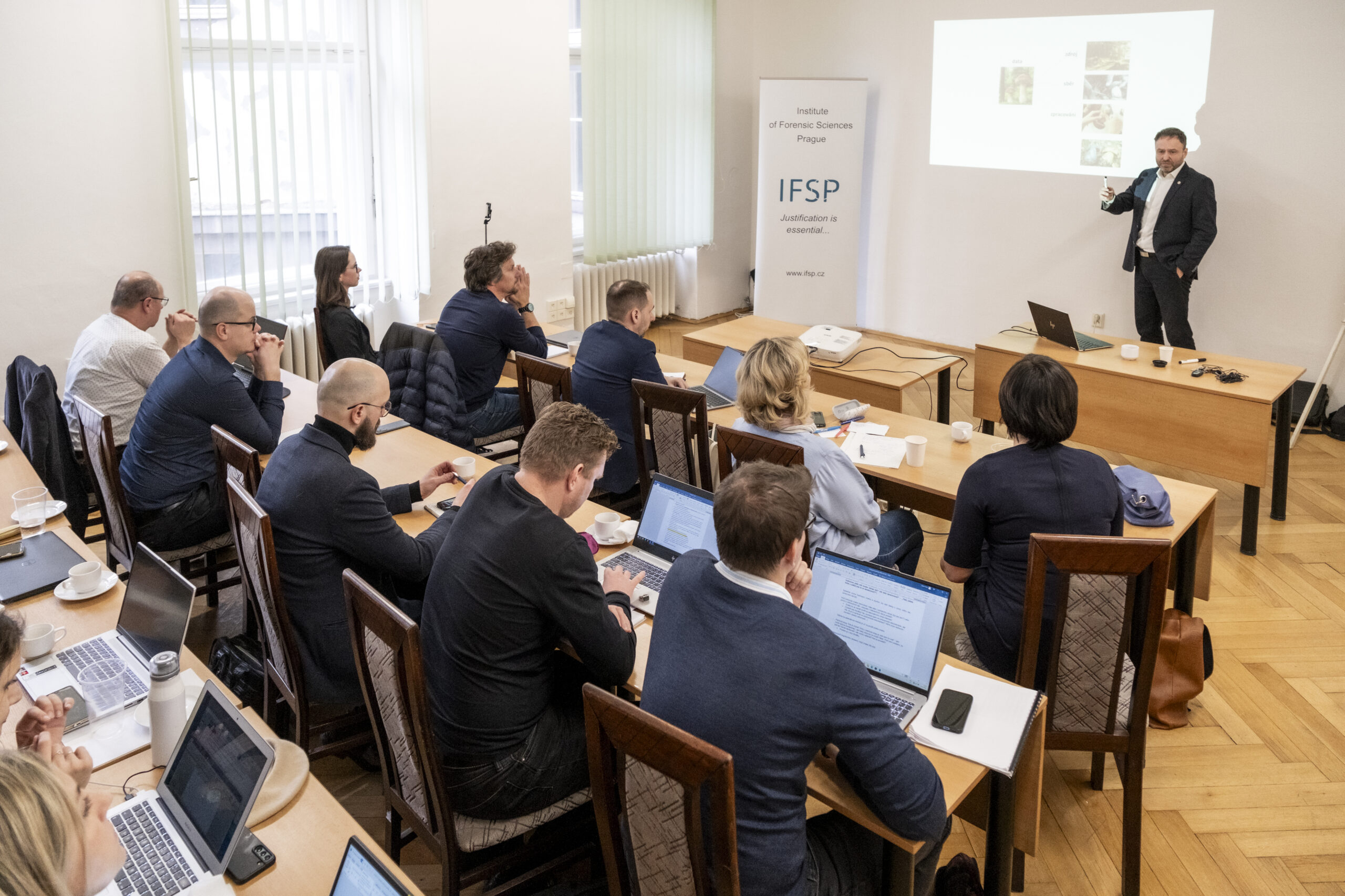
Workshop: Expert opinion as evidence (from the lawyer´s poin of view)
We have prepared a seminar in which we will explain the compulsory procedure of the expert to attorneys and law clerks. Participants will undergo practical training in which they will acquire the ability to recognize the deficiencies of an expert’s report that prevent its reviewability.
The seminar will be led by a member of our Institute, Dr. Jiří Závora, the author of the expert’s procedure in the new regulation of expert activities.
20. 10. 2024
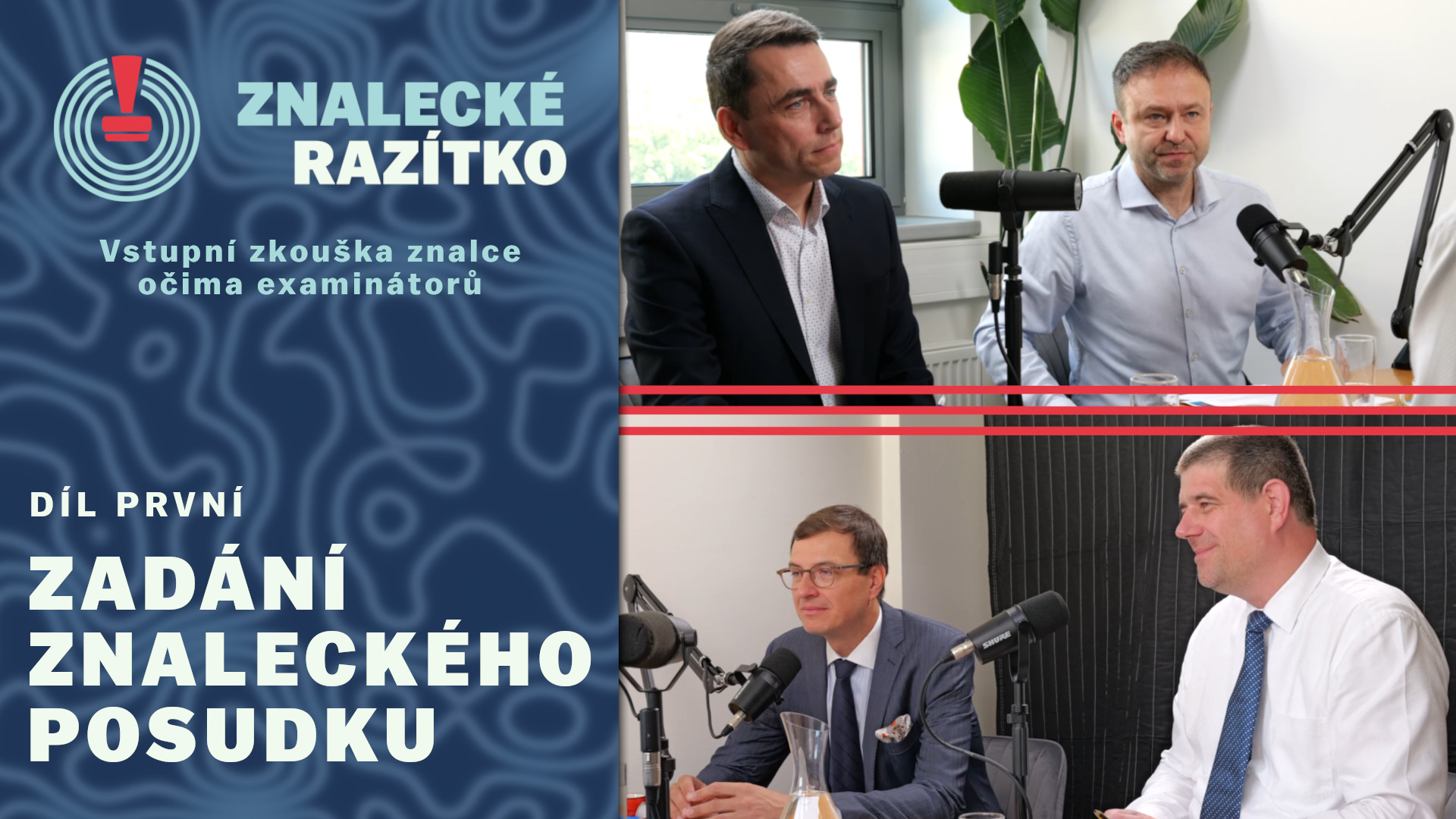
EXPERT STAMP – 1. Assignment of the expert opinion
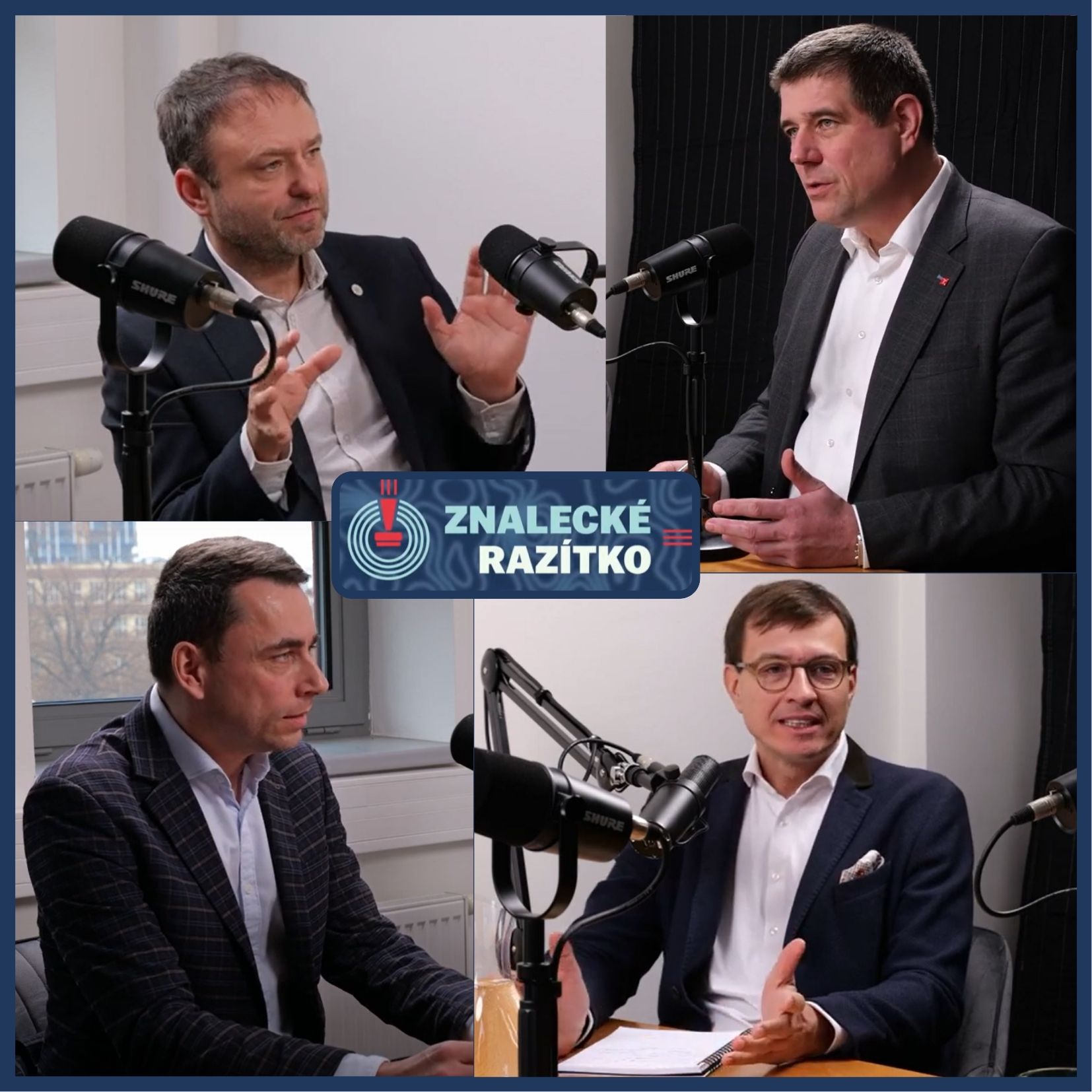
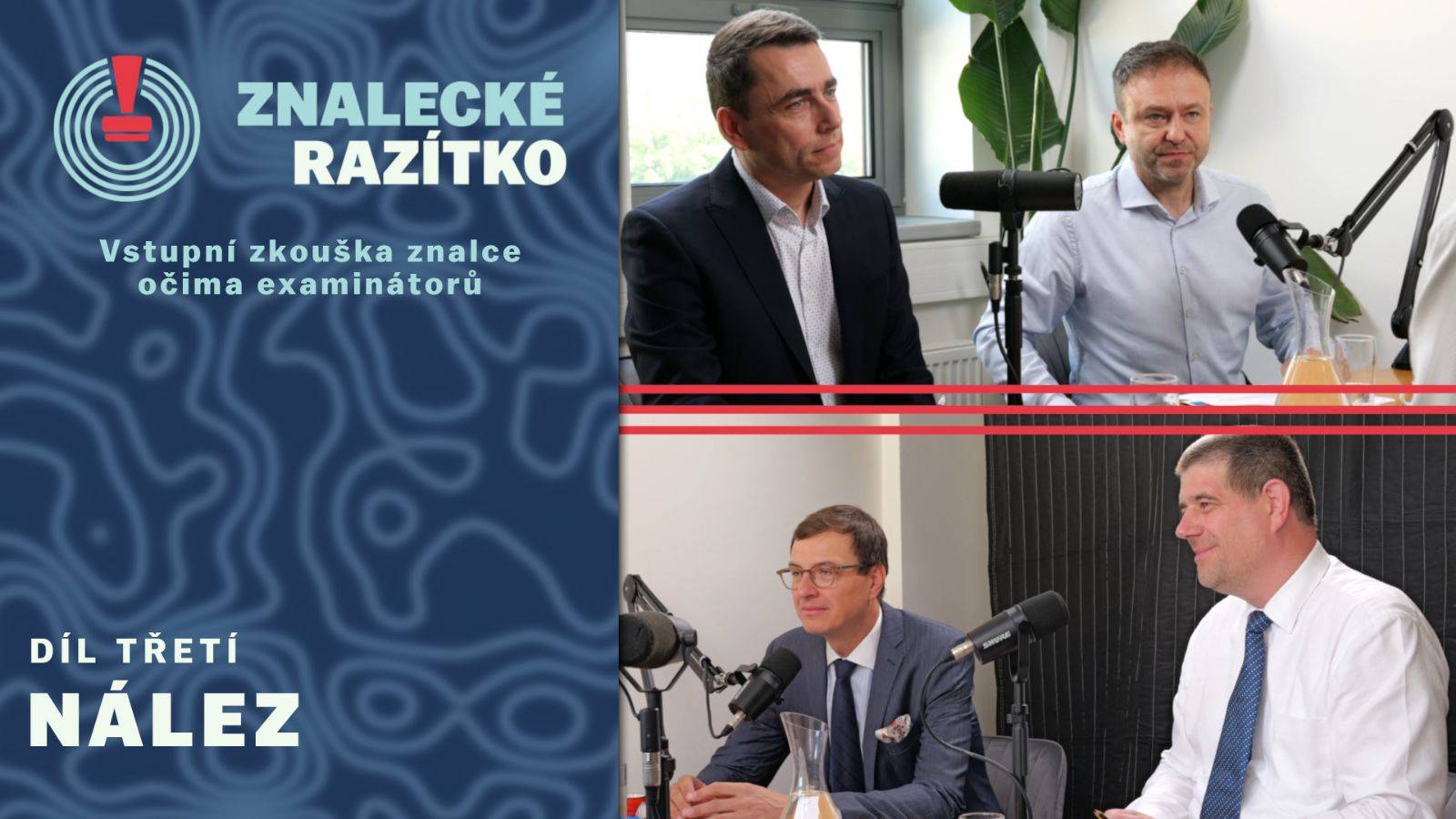
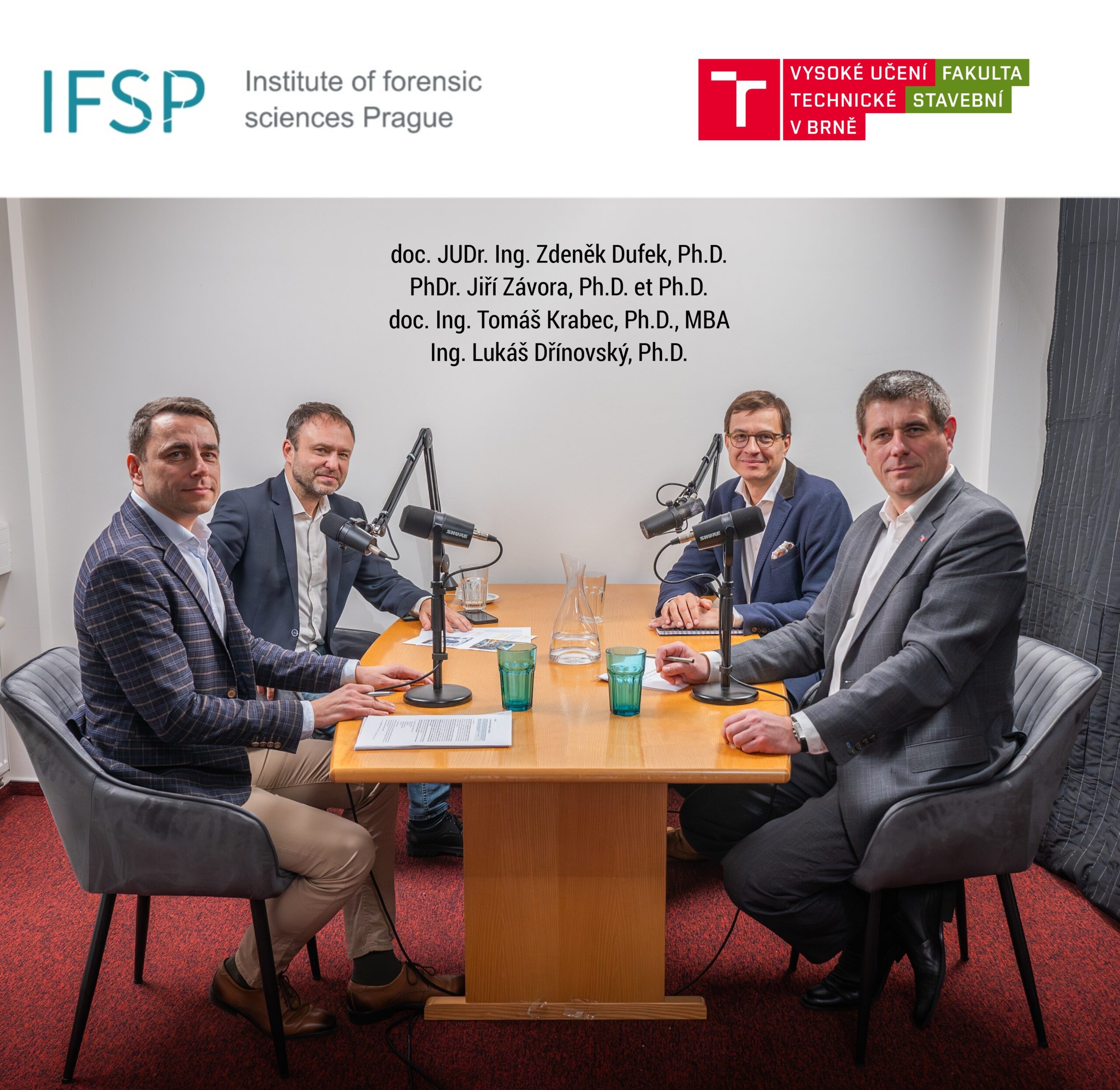
Together with the Faculty of Civil Engineering at Brno University of Technology, we have produced a podcast miniseries dedicated to new candidates for the expert stamp. The podcast features 4 members or chairmen of the examination committees, doc. Zdeněk Dufek, doc. Tomáš Krabec, Dr. Lukáš Dřínovský and a member of our institute, Dr. Jiří Závora, who is the author of the new expert witness procedure. The expert procedure is intended to improve the reviewability of expert reports. All four experts are prominent personalities in the field of Czech expert witnessing with unique experience.
You can already listen to the first episode on Spotify and YouTube.

17. 9. 2024
The guidelines of Prosecutor General´s Office

29. 8. 2024
European Council for High Ability (ECHA) Conference
At the end of August, the 19th European Council for High Ability (ECHA) Conference took place in Thessaloniki. At the conference, the lead author, Jana Pleskotová, presented a case study of a ten-year-old boy with exceptional ability. The co-authors were members of the Institute, Hana Sirotková and Jiří Závora. The poster was well received. Among other conference participants, our poster caught the attention of the president of ECHA and the organisers of the next ECHA 2025 conference to be held in Karlstad. Thanks to Jana for a great representation!

26. 8. 2024
A unique study on the causes of juvenile delinquency
6. 5. 2024
Award for the best law journal in the Czech and Slovak Republics

30. 4. 2024
Dr. Jiří Závora lectured on expert witness procedure at the Faculty of Law of Charles University

23. 4. 2024
Lecture for students of the Law Faculty of Charles University

18. 4. 2024
Workshop for officials of the Ministry of Justice

4. 4. 2024
Meeting of the Advisory Council of the Ministry of Justice

27. 3. 2024
Educational event for expert psychiatrists

20. 3. 2024
Dr. Jiří Závora was examing new applicants for expert authorization at the Ministry of Justice

5. 2. 2024
We provided an interview on the causes of poor quality work of forensic experts
24. 1. 2024
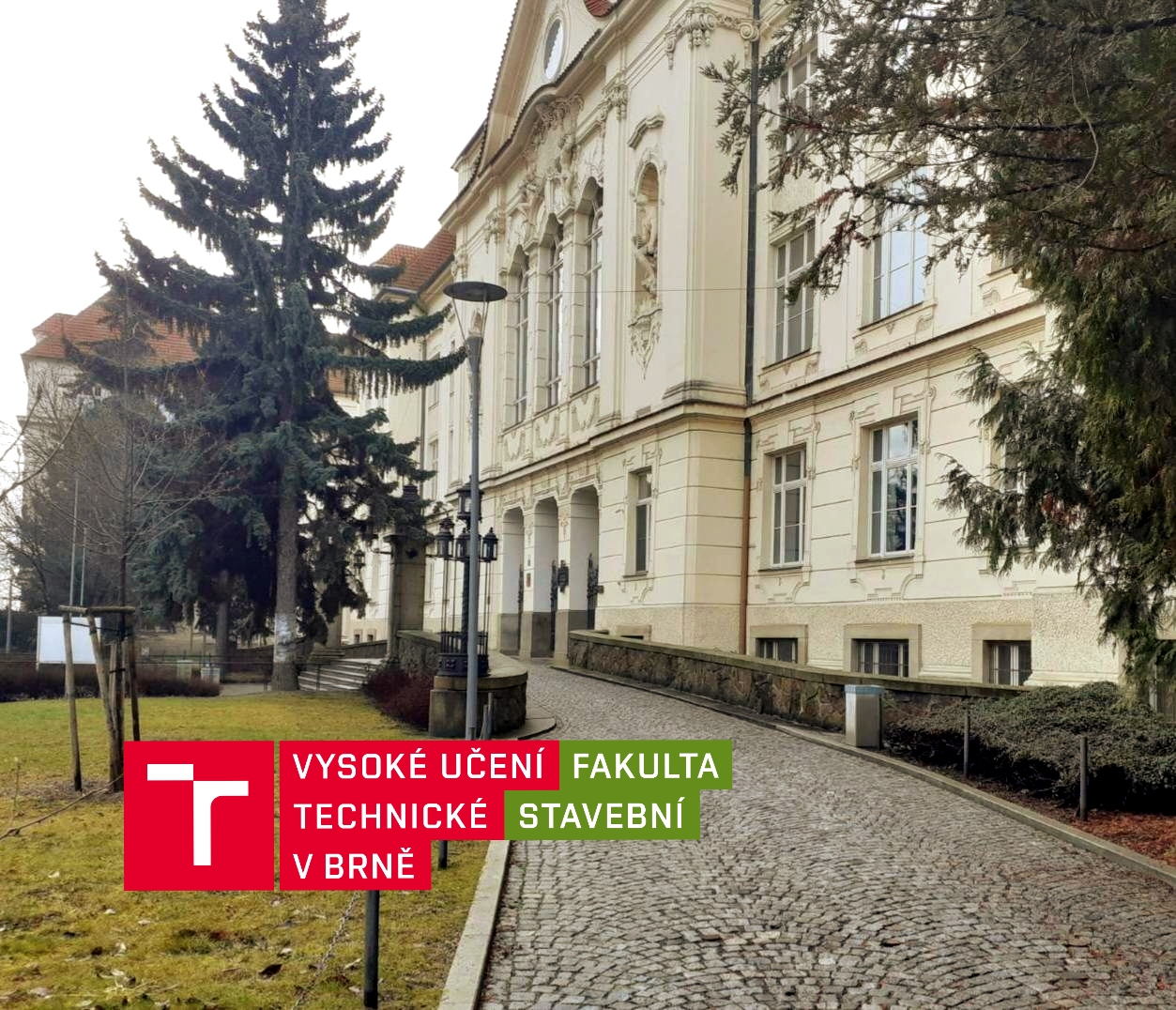
VUT Brno – training of experts of the Faculty of Civil Engineering

21. – 23. 9. 2023
Internship for the University of Amsterdam
For the students of the Master Forensic Science programme we arranged a three-day internship which included lectures on the new regulation of expert performance in the Czech Republic (Dr. Závora), on the interdisciplinary project on speaker identification (Mgr. Skořepa) and on the falsity of expert opinion in the decision-making practice of courts in the Czech Republic (Mgr. Nováková).

23.5.2023
The Judicial Academy, Kroměříž
Dr. Jiří Závora held a lecture for the judges of the Kralovehradecky region in Kroměříž on the structural concept of reviewability in the new regulation of expert performance

April 2023
Workshop on signature verification for the Czech National Bank

March 2023
Study on the interpretation of the meaning of the codified expert procedure according to the new regulation
Dr. Jiří Závora published a study in the prestigious law journal AUCI (SCOPUS) in which he interpreted the broader meaning of the structural concept of the reviewability of expert’s report. The codification of the expert’s procedure (§ 52 Regulation No. 503/2020 SB) and the requirements of an expert’s report (§ 41 Regulation No. 503/2020 SB) was based on Dr. Závora’s study published in 2017.

November 2022
Jerome’s Days
Participation in the panel discussion Interpreter is also just a person – Ethical, professional and psychosocial risks of the interpreting profession

June 2022
The Judicial Academy, Kroměříž – training course for judges
Procedure of the expert according to the new regulation of expert performance

The Judicial Academy – mental care for interpreters
Mental care for Ukrainian language interpreters
Cooperation with Czech National Bank
Workshop: Training for bank tellers – comparing signature with the signature specimen
October 2021
Echo24.cz
Comment on President Miloš Zeman’s signature on the document convening the session of the Chamber of Deputies

New legal regulation of expert performance
The previous legal regulation of expert performance did not provide sufficient conditions for the expert report assessment. Based on the assignment of the Ministry of Justice of the Czech Republic, a study proposing a structure-based expert procedure was formulated by a member of our institute Dr. Jiří Závora.
Institute of Forensic Sciences Prague – justification is essential…
Copyright © 2021 IFSP | Web spravuje Marketingová garáž – tvorba webových stránek Praha